Pressure instruments chosen for the medium and the way the line behaves
Pressure measurement splits into two jobs: continuous signal for control, and local indication for someone standing at the line. Transmitters do the first, gauges do the second, and some instruments do both. The deciding factors are the medium's corrosiveness, pressure pulsation and temperature — not the nominal range alone.
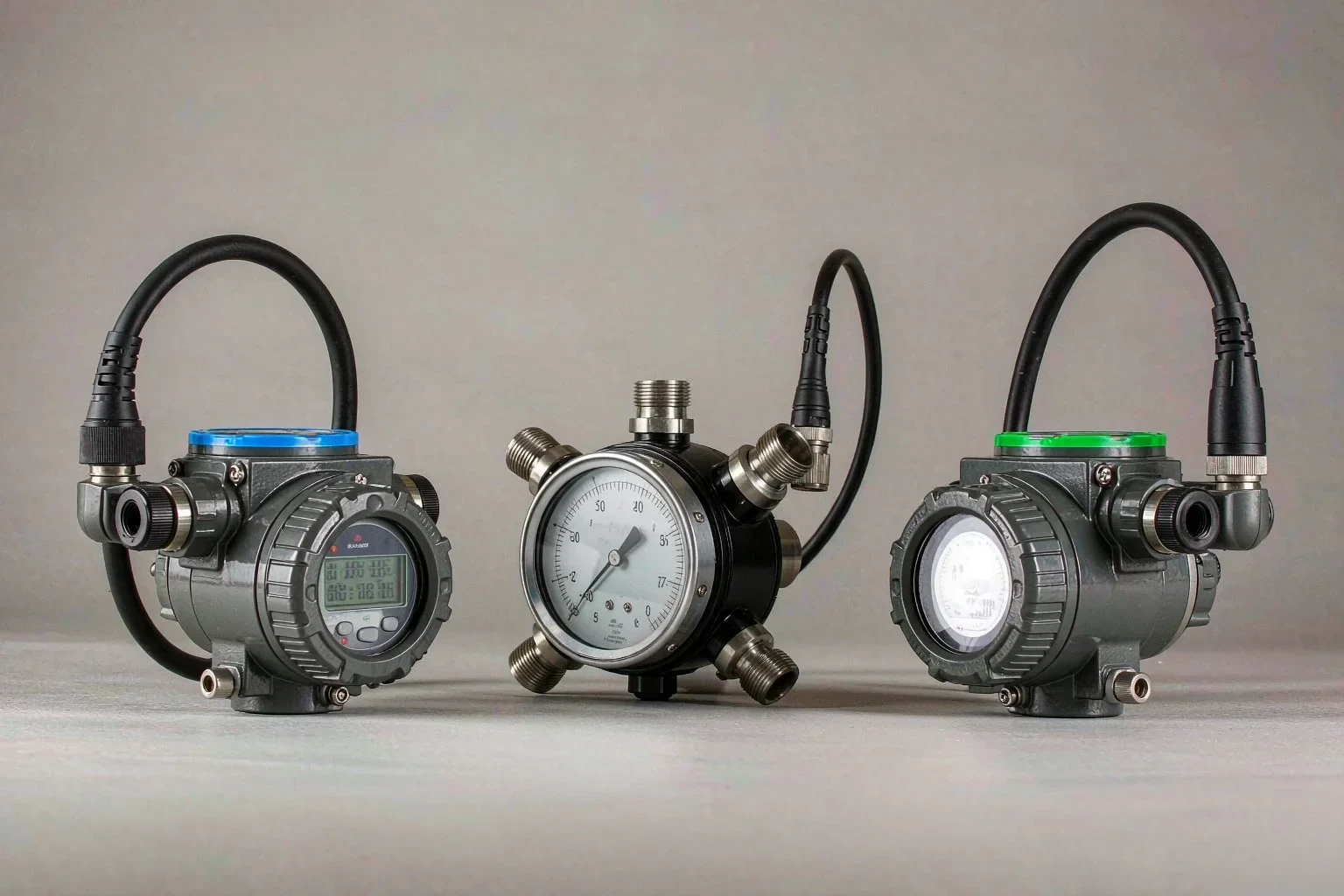
Pressure instrument types
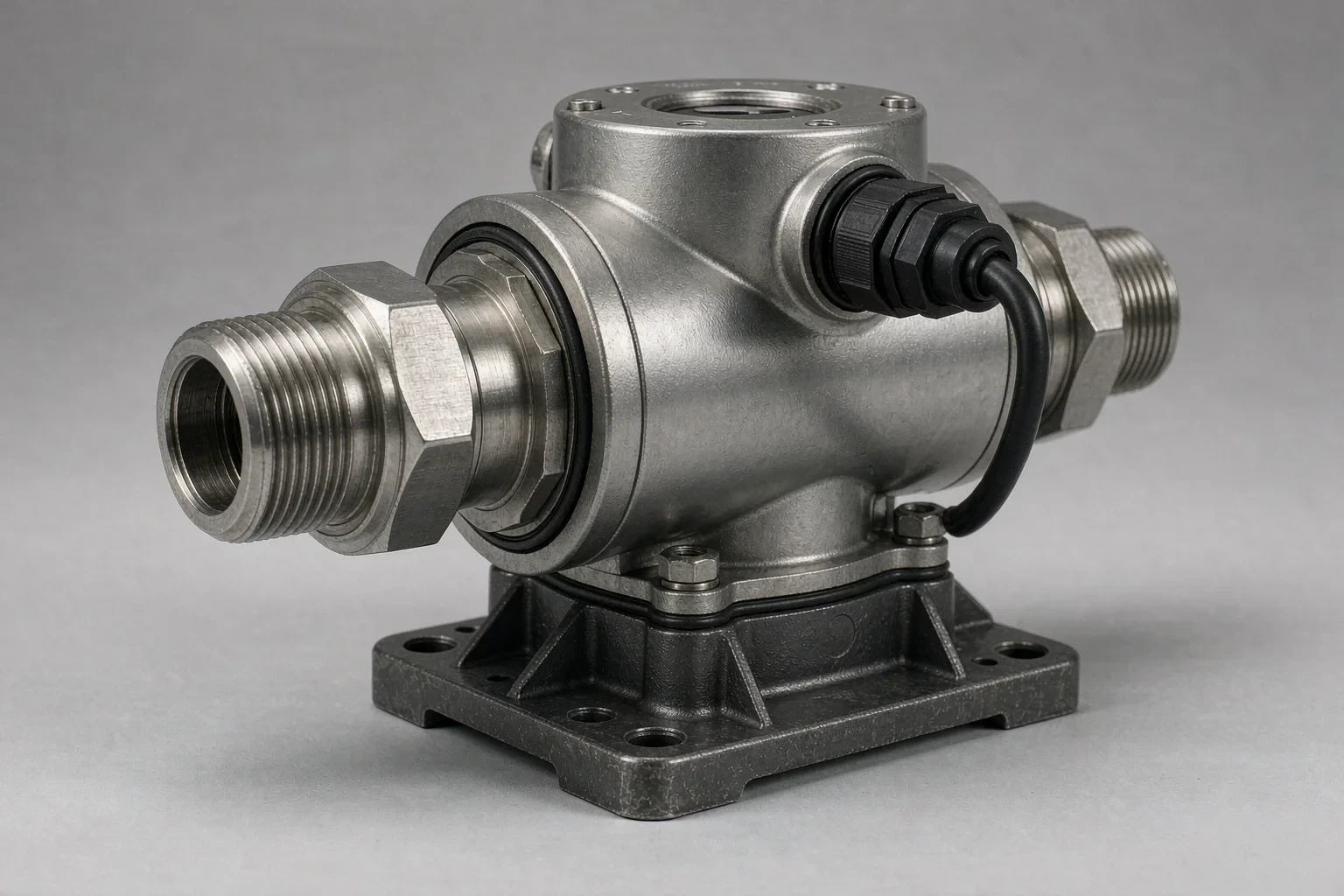
Diffused Silicon Pressure Transmitter
A diffused-silicon sensing element turns pressure into an electrical signal with no moving parts. The measuring head converts pressure through a sealed diaphragm, which keeps the reading stable under vibration and frequent cycling. Output signal and range are built to the operating conditions.
Typical application: Water, oil, gas and steam lines in plants, pumps and compressors.
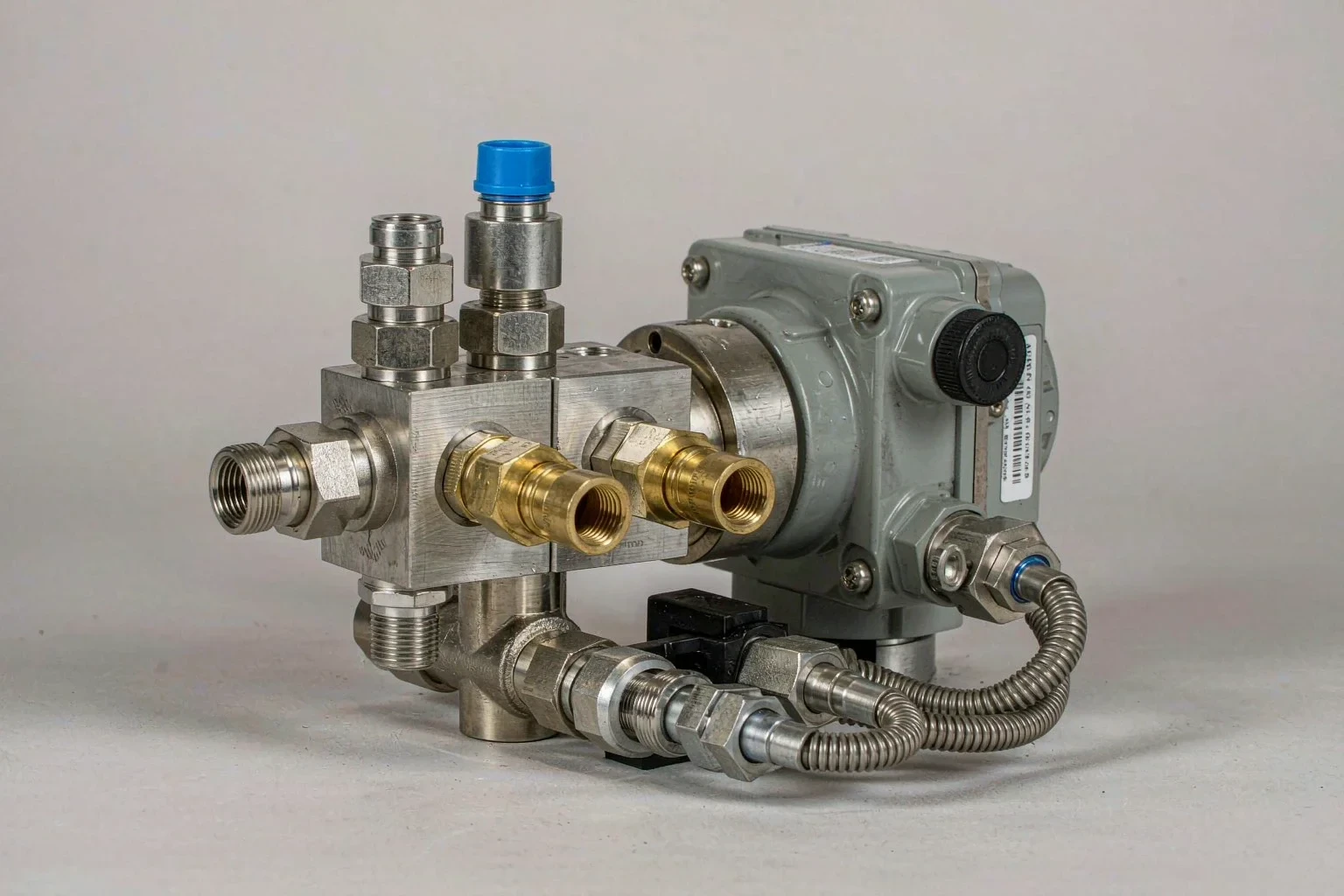
Differential Pressure Transmitter
Measures the difference between two pressure ports. With an integrated valve manifold it can be mounted close to the tapping points, reducing tubing and potential leak paths. Range and connection are configurable.
Typical application: Flow measurement with primary elements, filter monitoring, liquid level in closed vessels.
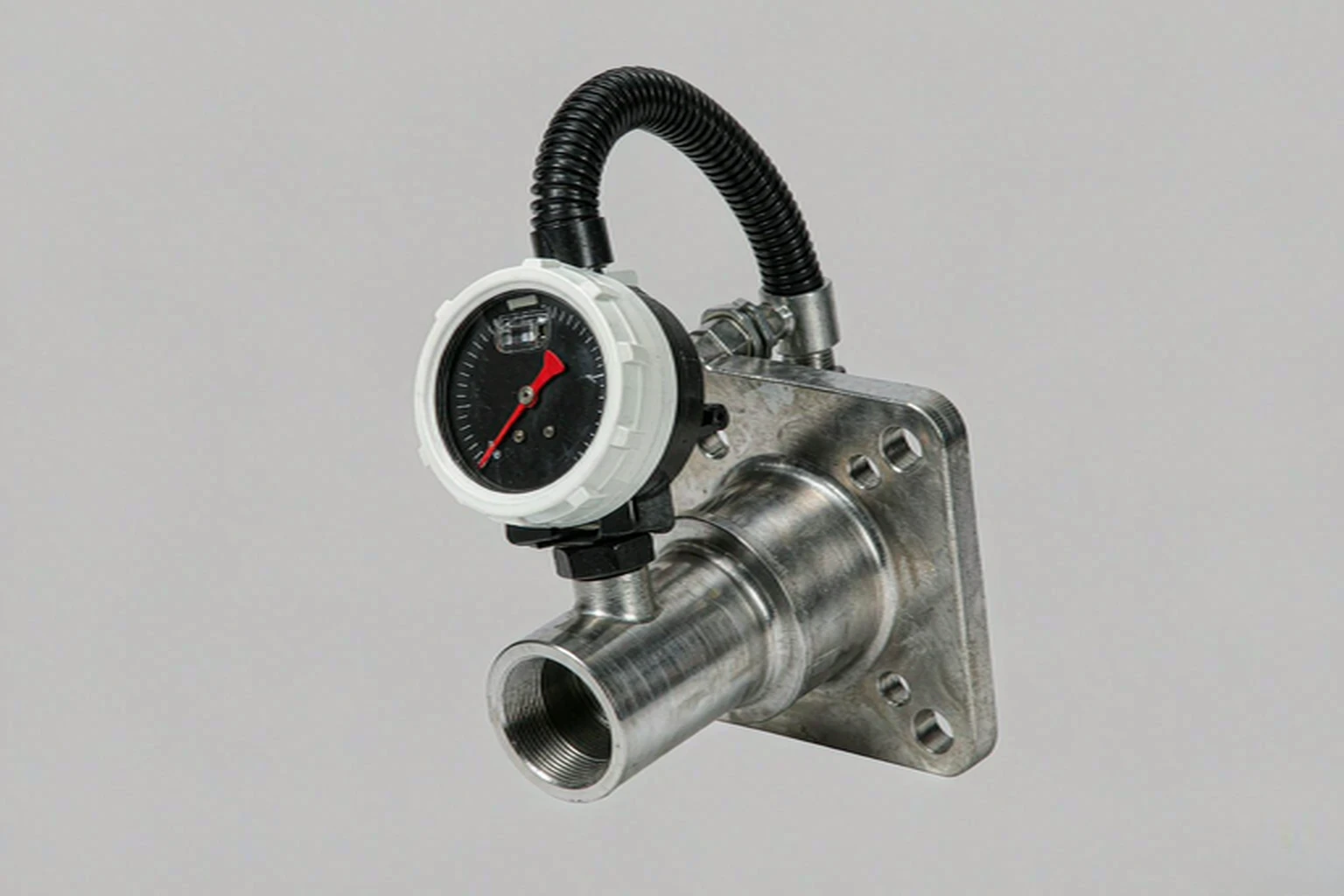
Diaphragm Pressure Gauge
A general pressure gauge is separated from the process by a diaphragm and a sealed fill fluid. Pressure deflects the diaphragm, the fill fluid transmits the movement, and the gauge shows the value. Diaphragm, flange and sealing materials are chosen for the medium.
Typical application: Chemical, pharmaceutical and food processes with corrosive, viscous or clogging media.
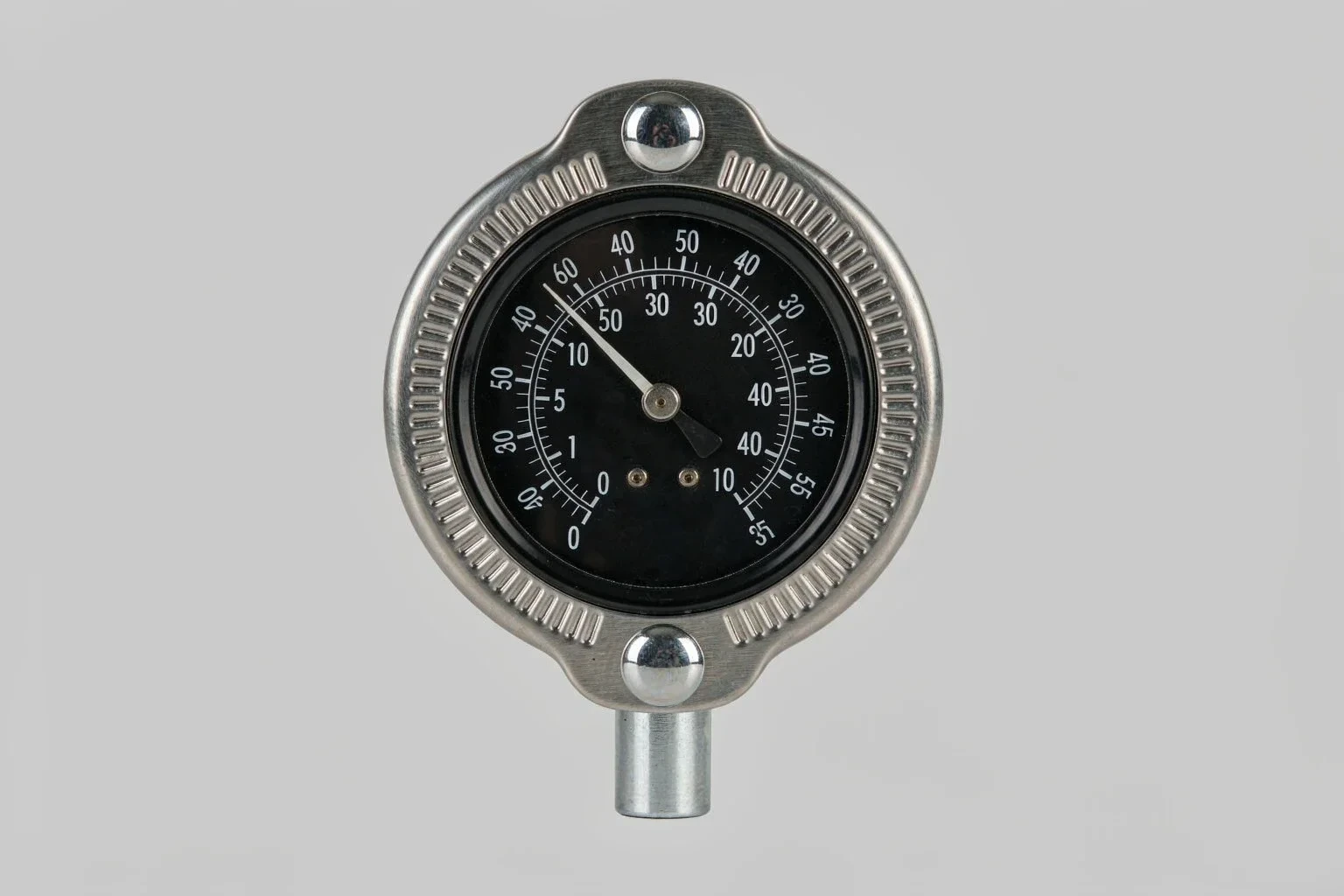
Vibration-Resistant Pressure Gauge
The case and wetted parts are stainless steel and the case is liquid-filled, so the pointer settles instead of oscillating. Liquid filling and connection form are selected to the installation.
Typical application: Pump outlets, compressors and equipment with strong pressure pulsation.
Specifications
| Model | Measuring range | Accuracy | Output signal | Process connection | IP rating |
|---|---|---|---|---|---|
| Diffused Silicon Pressure Transmitter | configurable to the operating conditions | configurable to the operating conditions | configurable to the operating conditions | configurable to the operating conditions | configurable to the operating conditions |
| Differential Pressure Transmitter | configurable to the operating conditions | configurable to the operating conditions | configurable to the operating conditions | configurable to the operating conditions | configurable to the operating conditions |
| Diaphragm Pressure Gauge | configurable to the operating conditions | configurable to the operating conditions | configurable to the operating conditions | configurable to the operating conditions | configurable to the operating conditions |
| Vibration-Resistant Pressure Gauge | configurable to the operating conditions | configurable to the operating conditions | configurable to the operating conditions | configurable to the operating conditions | configurable to the operating conditions |
All technical specifications are confirmed against the actual operating conditions; values not confirmed are stated as configurable.
Frequently asked questions
When do I need a diaphragm gauge instead of a standard pressure gauge?
When the medium is corrosive, viscous, crystallising, or likely to clog the pressure port. The diaphragm isolates the gauge; its material must match the medium.
Why did the transmitter reading shift after installation?
Check the mounting position against the specified reference, the sealing liquid head if a remote seal is used, and whether the process temperature is within the compensated range.
Can you match the output signal to my control system?
Yes. Tell us the controller input and supply voltage, and we will specify the output and connection accordingly.
Have a measuring point to spec?
Send the medium, operating temperature and installation. We will come back with the instrument type, connection and signal.