Level measurement that fits the tank, the medium and the dust
Level measurement fails for predictable reasons: foam, dust, vapour, caking and moving surfaces. Radar tolerates dust and vapour better than ultrasound; hydrostatic measurement ignores foam; magnetic gauges give a visible local reading. We ask about the vessel before we talk about the instrument.
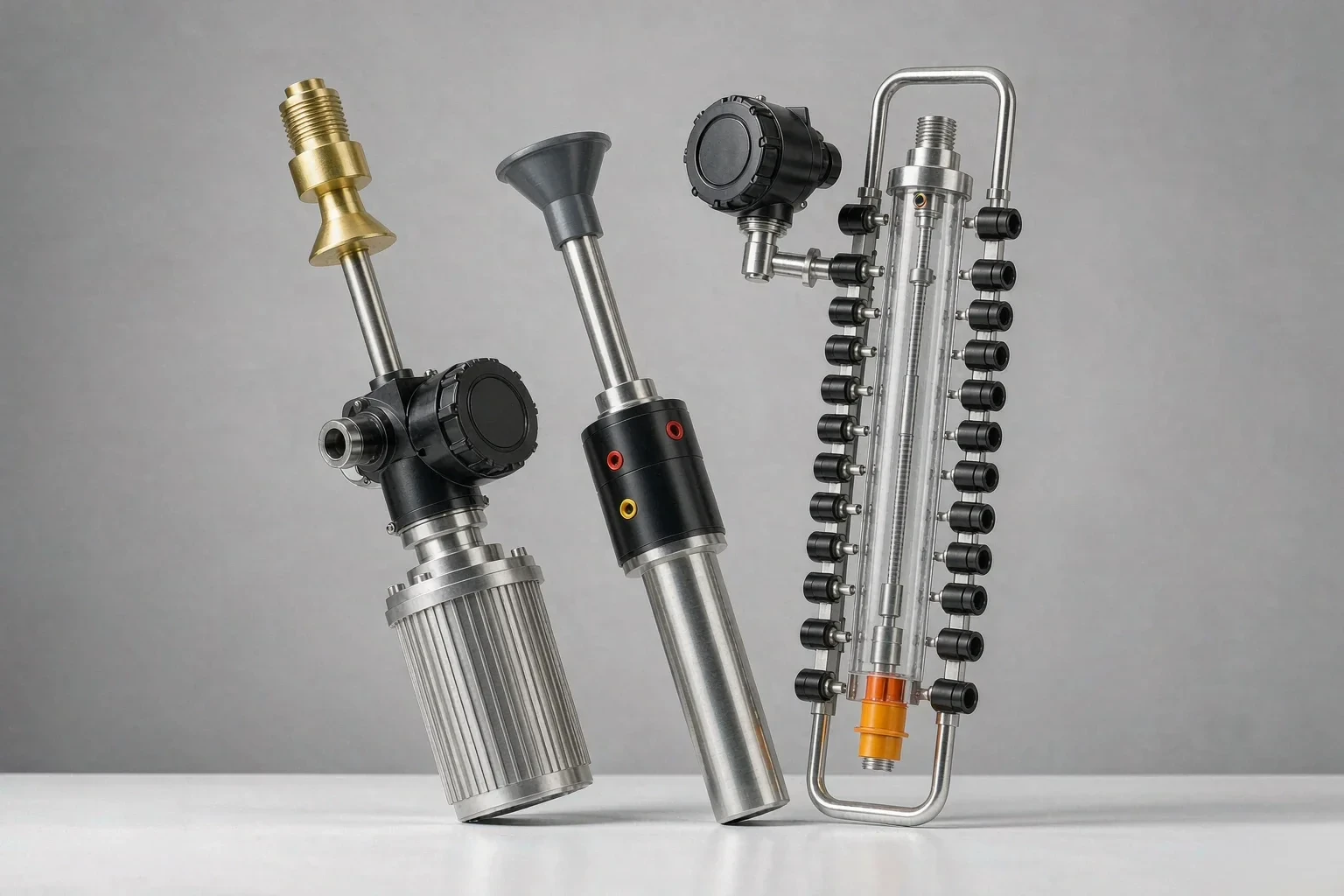
Level instrument types
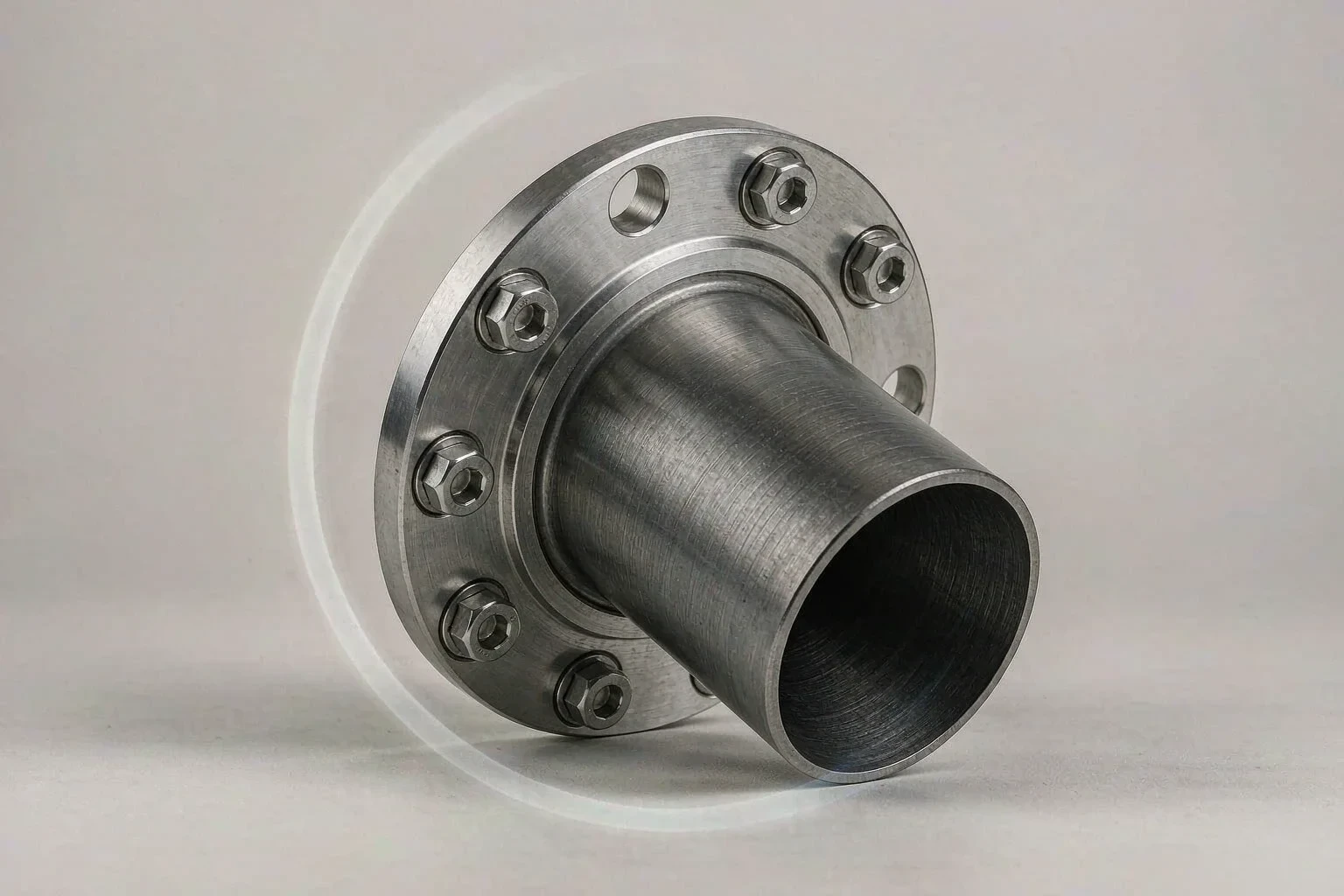
Radar Level Meter
Emits microwave pulses toward the surface and calculates distance from the echo return time. Microwaves pass through dust and vapour, so the reading stays usable where ultrasonic signals scatter. Antenna type is chosen for the medium and the vessel geometry.
Typical application: Silos, chemical tanks and vessels with dust, vapour or temperature stratification.
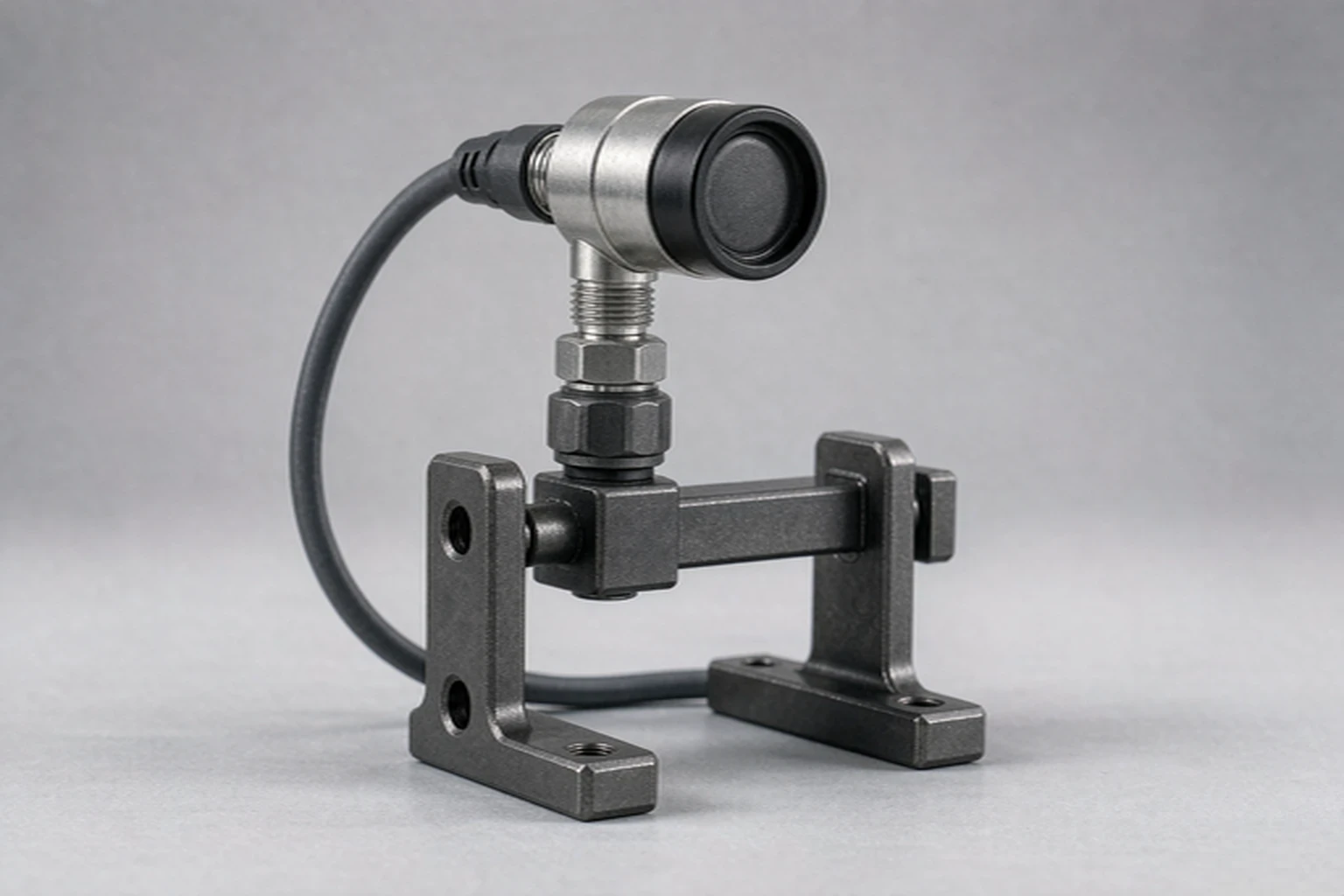
Ultrasonic Level Meter
An ultrasonic pulse travels to the liquid surface and the sensor measures the echo time. It is non-contact and simple to mount, but foam, heavy vapour and dust weaken the echo. The blind zone and mounting height must be checked against the tank.
Typical application: Open tanks, water basins and wastewater treatment.
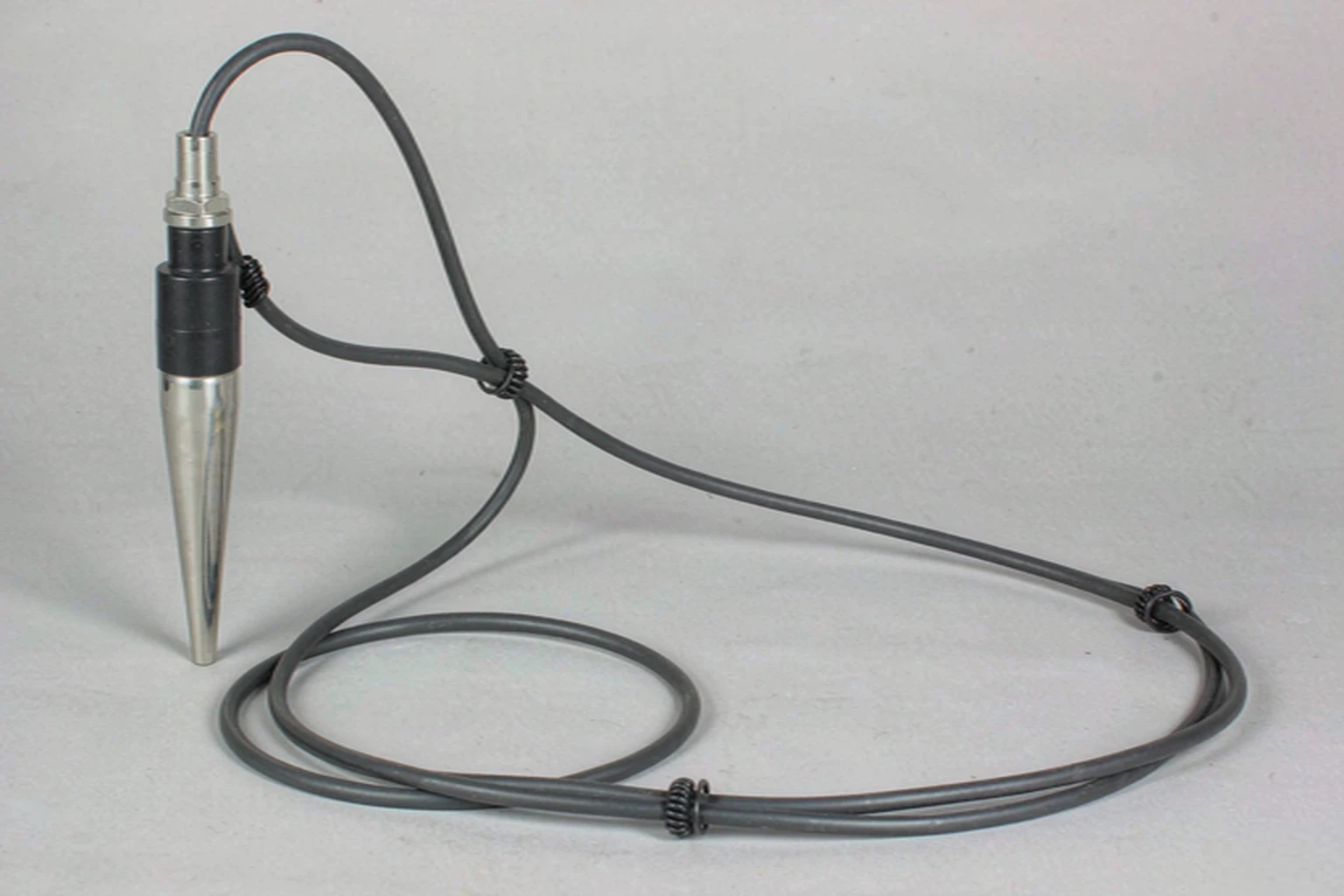
Submersible Level Transmitter
Uses hydrostatic pressure: pressure at the sensor is proportional to the liquid height above it. A diffused-silicon or ceramic element is sealed in a probe lowered into the liquid. Cable length and range are built to the well or tank.
Typical application: Wells, reservoirs, sewers and open tanks.
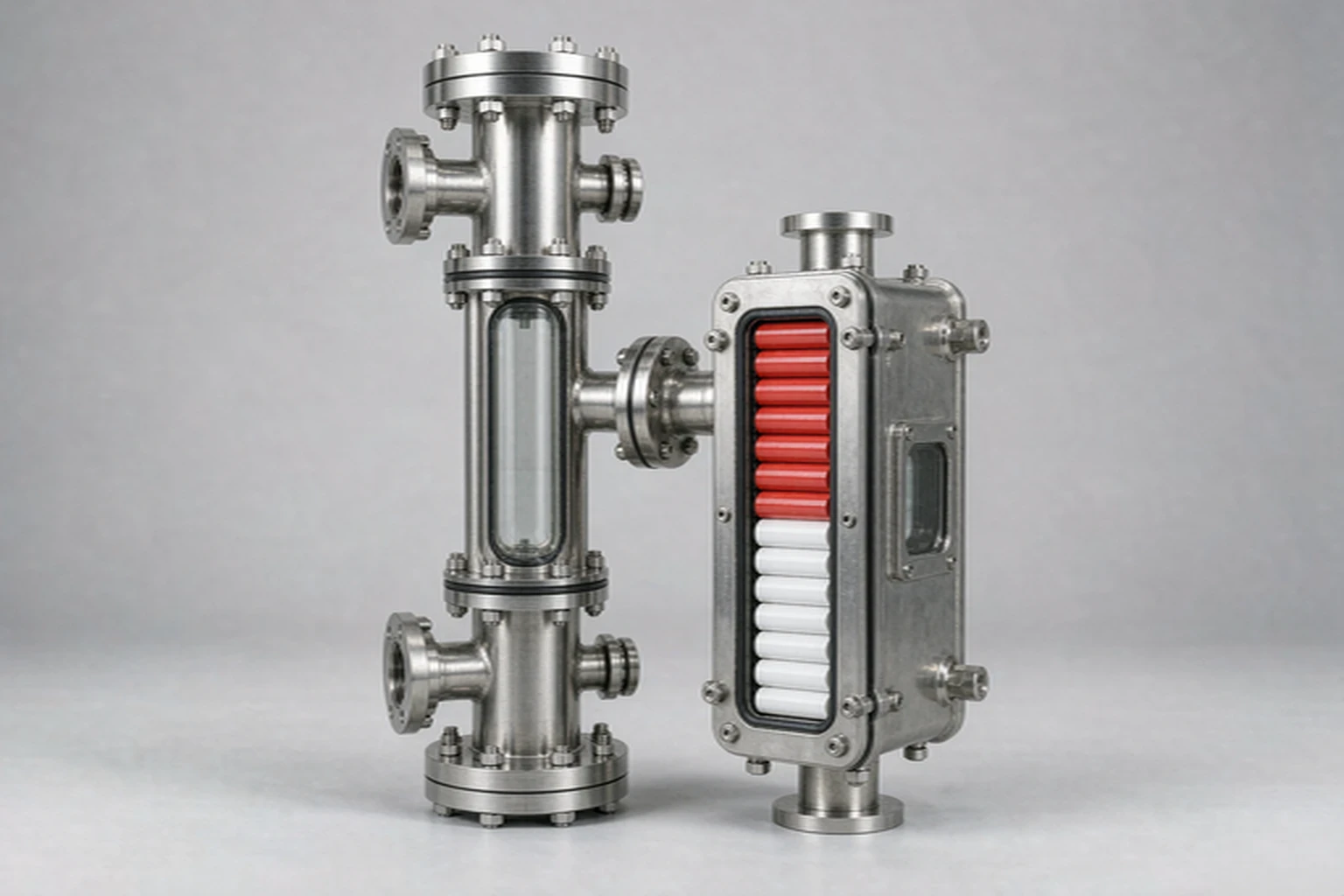
Magnetic Flap Level Gauge
A float with an internal magnet moves inside a chamber connected to the vessel; external flaps flip as the float passes. The level is visible locally without power, and a remote transmitter can be added. Flap and chamber materials are chosen for the medium.
Typical application: Hot, viscous or corrosive liquids in tanks and boilers where a local indication is required.
Specifications
| Model | Measuring range | Accuracy | Output signal | Antenna / sensor | Process connection |
|---|---|---|---|---|---|
| Radar Level Meter | configurable to the operating conditions | configurable to the operating conditions | configurable to the operating conditions | configurable to the operating conditions | configurable to the operating conditions |
| Ultrasonic Level Meter | configurable to the operating conditions | configurable to the operating conditions | configurable to the operating conditions | configurable to the operating conditions | configurable to the operating conditions |
| Submersible Level Transmitter | configurable to the operating conditions | configurable to the operating conditions | configurable to the operating conditions | configurable to the operating conditions | configurable to the operating conditions |
| Magnetic Flap Level Gauge | configurable to the operating conditions | configurable to the operating conditions | configurable to the operating conditions | configurable to the operating conditions | configurable to the operating conditions |
All technical specifications are confirmed against the actual operating conditions; values not confirmed are stated as configurable.
Frequently asked questions
Radar or ultrasonic — which one for my tank?
Ultrasonic works well on clean, calm liquids in open vessels. Radar is more tolerant of dust, vapour and temperature changes, and suits closed tanks and silos.
Why does the level reading jump when the tank is being filled?
Turbulence, splashing and a moving surface can confuse the echo. Check the mounting position and whether the instrument's damping is set for the filling cycle.
Can a level gauge work without electricity?
A magnetic flap gauge gives a mechanical local reading with no power. A signal output, if needed, requires a powered transmitter.
Have a measuring point to spec?
Send the medium, operating temperature and installation. We will come back with the instrument type, connection and signal.